
Published by Allison Jeffery Skin Health and Laser Clinic | Reading Time: 8 minutes
Top 10 Botox Aftercare Mistakes to Avoid
- About the Author
- The 10 Mistakes at a Glance
- Botox Guide: Treatment & Aftercare
- Why Does Proper Botox Aftercare Matter for Your Results?
- What Are the Most Critical Mistakes to Avoid After Botox?
- How Do Physical Activities Affect Your Botox Results?
- Which Skincare and Lifestyle Habits Should You Modify Post-Treatment?
- What Should You Know About Sun Exposure and Bruising Management?
- How Can You Set Realistic Expectations for Your Botox Timeline?
- Your Path to Optimal Botox Results
- Frequently Asked Questions
Important: The most common Botox aftercare mistakes include touching or massaging treated areas, applying makeup too soon, exposure to heat, exercising too early, and lying down within hours of treatment. Avoiding these errors in the first 24–48 hours protects your results and prevents the botulinum toxin from migrating away from targeted muscles.
About the Author
Allison Jeffery — Founder, Allison Jeffery Skin Health and Laser Clinic, Brighton. Allison graduated from the Royal London Medical and Dental School, EDT (University of London), and is the recipient of the International Academy Of Advanced Facial Aesthetics (IAAFA) Lip Sculpting Award. The clinic\’s Celebrity Harley Street Doctors teach Advanced Aesthetics internationally and perform advanced anti-wrinkle and dermal filler procedures at the Brighton clinic every week. Nurse Prescriber Jayne Deacy, qualified for over 30 years, specialises in non-surgical aesthetics and injectables alongside the team.
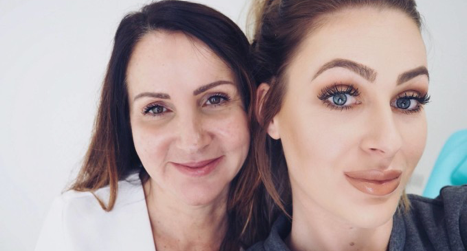
Blogger Victoria Hearn Returns to Allison Jeffery Skin Health & Laser Clinic
The 10 Mistakes at a Glance
- Massaging or applying pressure to treated areas
- Applying makeup too quickly after treatment
- Exposing yourself to high heat environments
- Engaging in strenuous exercise too soon
- Neglecting recommended facial exercises
- Continuing your regular skincare routine without adjustments
- Consuming alcohol or blood-thinning substances
- Lying down or bending over prematurely
- Failing to protect against UV exposure
- Mismanaging bruising and swelling
Botox Guide: Treatment & Aftercare
You’ve just invested in Botox injectable treatments to smooth fine lines and achieve that refreshed, youthful appearance you\’ve been envisioning. The procedure itself was quick and relatively painless, performed by an experienced practitioner using state-of-the-art techniques. Now comes the critical part that many first-time patients underestimate: aftercare. The anxiety about accidentally ruining your expensive treatment through incorrect aftercare is completely understandable, especially when conflicting advice floods social media and online forums. One simple mistake in the hours following your appointment can compromise your results, leading to uneven outcomes, premature fading, or unwanted side effects.
As the multi award-winning team at Allison Jeffery Skin Health and Laser Clinic with over 15 years in business, we\’ve witnessed countless patients achieve exceptional results by following proper aftercare protocols. Conversely, we\’ve also seen how common missteps can diminish the effectiveness of even the most expertly administered treatment. The key principle behind successful Botox aftercare centers on protecting the integrity of the injection site, allowing the neurotoxin to integrate properly into targeted muscle tissues without migrating to unintended areas. This integration process requires specific conditions and careful attention during the first 24 to 48 hours post-treatment.
“I had treatment for wrinkles done on my frown and the results were great after only a couple of days. The price was reasonable too in comparison to other places I have been to. The only downside to this treatment is that you need to repeat it every 3 months or so. Overall I had a nice experience. The staff was helpful and very good at explaining the different options for my treatment. I would definitely recommend this clinic to my friends and I am now scheduled for my next appointment.”
— Ramona
Understanding what to avoid after your Botox appointment empowers you to maximize treatment longevity while minimizing complications. For a broader overview, see our complete Botox aftercare guide which covers everything from preparation to long-term maintenance. The following guidance addresses the most frequent aftercare mistakes we encounter in our clinic, providing you with clear, evidence-based recommendations that eliminate uncertainty about when to resume exercise, skincare routines, and social activities.
Why Does Proper Botox Aftercare Matter for Your Results?
Our Celebrity Harley Street Doctors teach Advanced Aesthetics at our clinic, bringing their expertise from treating A-list clients in the acting, music, and modeling world to every patient appointment. Through thousands of treatments performed over our 15 years of operation, we\’ve identified a direct correlation between adherence to aftercare instructions and patient satisfaction scores. Botox works by temporarily blocking nerve signals to specific facial muscles, causing them to relax and smooth overlying wrinkles. This mechanism requires the botulinum toxin to remain precisely where it was injected, binding to nerve endings in the targeted area.
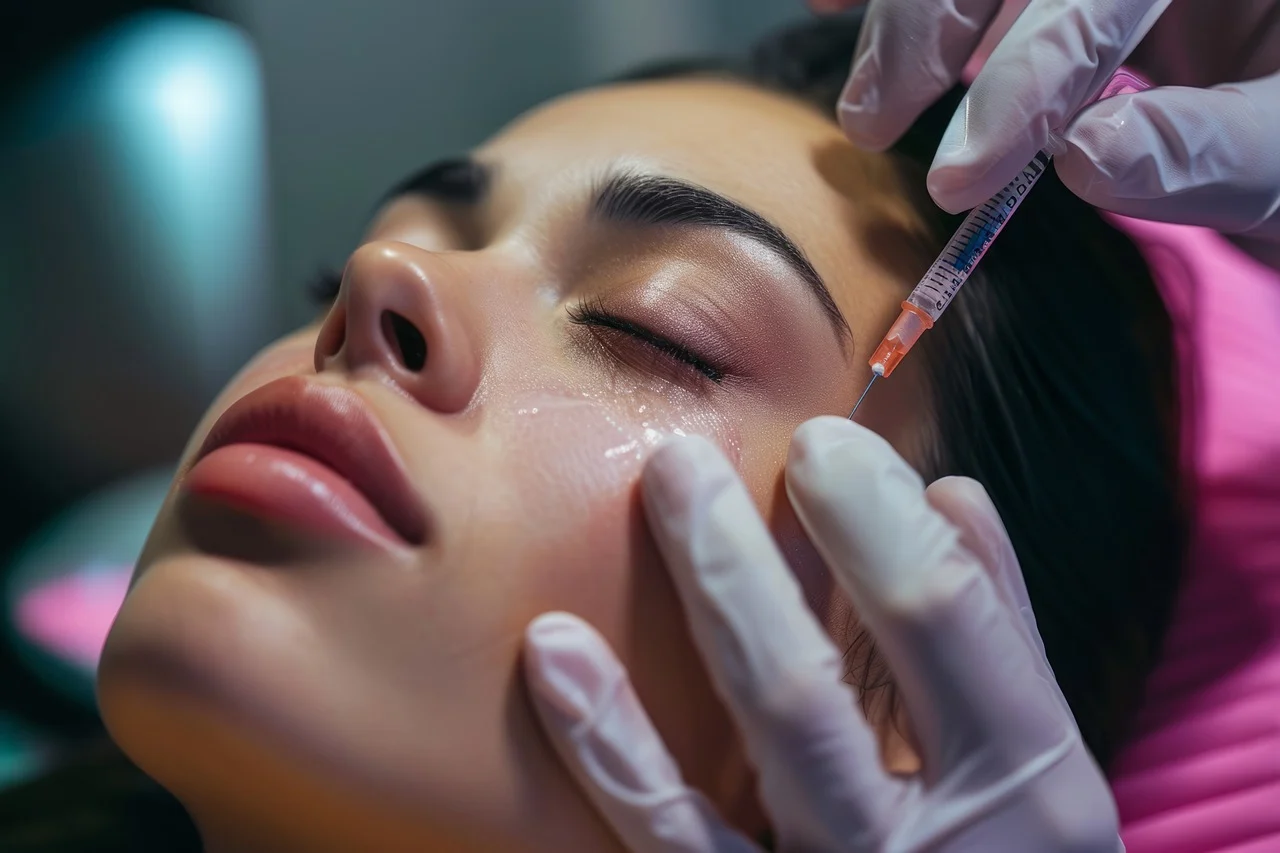
At a molecular level, botulinum toxin works by blocking the release of acetylcholine at the neuromuscular junction — the point where nerve cells communicate with muscle fibres. Acetylcholine is the chemical messenger responsible for triggering muscle contraction; when its release is inhibited, the targeted muscle temporarily relaxes. This is what distinguishes Botox (a neurotoxin) from hyaluronic acid dermal fillers, which add volume beneath the skin rather than affecting muscle activity. Understanding this mechanism helps explain why aftercare focuses so heavily on keeping the product localised at the correct neuromuscular junction. (Source: NHS — Botulinum toxin injections; FDA — Botulinum Toxin Information)
When patients follow proper aftercare protocols, the Botox settles into the intended muscles within the first few hours, creating the foundation for optimal results. However, certain activities can cause the product to migrate before it has properly bonded:
- Increased blood flow
- Raised body temperature
- Physical pressure applied to injection sites
Migration leads to asymmetrical results, with some areas receiving too much product while others receive insufficient amounts. In severe cases, migration can affect muscles that control eyelid movement or facial expression, creating temporary drooping or an unnatural frozen appearance.
The cellular integration process begins immediately after injection but takes approximately 3 to 14 days to complete fully. During the initial 24 to 48 hours, the product remains most vulnerable to displacement. Protecting injection sites during this critical window ensures the Botox reaches its intended target and delivers the natural-looking, wrinkle-smoothing effects you expect.
Important: Proper aftercare also minimizes common side effects such as bruising, swelling, and redness, allowing you to return to your normal routine more quickly with confidence in your appearance.
What Are the Most Critical Mistakes to Avoid After Botox?
Having served models, celebrities, actors, and Instagram stars seeking flawless results, we\’ve developed comprehensive aftercare protocols that address the specific challenges first-time patients face. The following mistakes represent the most common ways patients inadvertently compromise their treatment outcomes, along with practical solutions for each scenario. For a full rundown of what to do right, read our essential Botox aftercare tips for maximising results and minimising risks.
Mistake 1: Massaging or Applying Pressure to Treated Areas
The temptation to touch or massage your face after Botox ranks among the most frequent aftercare violations. Many patients instinctively want to rub injection sites, either to soothe minor discomfort or simply out of habit when cleansing their skin. This seemingly innocent action can displace the Botox before it binds to nerve endings, causing it to spread into adjacent muscles. When the product migrates, you may experience unintended muscle relaxation in areas that should maintain normal movement, resulting in asymmetrical eyebrows, eyelid drooping, or an unnatural appearance.
For at least 48 hours following your appointment, treat your face with exceptional gentleness:
- When cleansing, use light patting motions rather than rubbing or circular massage techniques
- Avoid facials, microdermabrasion, chemical peels, or any professional skincare treatment for a minimum of two weeks post-injection
- If you experience itching at injection sites, resist the urge to scratch and instead apply a cool compress with minimal pressure
- Sleep on your back rather than your side or stomach to prevent your pillow from pressing against treated areas overnight
Mistake 2: Applying Makeup Too Quickly After Treatment
Professional women in corporate settings often schedule Botox appointments during lunch breaks, planning to return immediately to work with makeup concealing any minor redness or injection marks. The pressure from makeup brushes, sponges, or even fingertips can disturb freshly injected Botox, while certain cosmetic ingredients may irritate sensitive injection sites. Additionally, the act of removing makeup later requires cleansing that involves rubbing or wiping motions, further risking product displacement.

Concerned about scheduling your treatment around work commitments? Our experienced team helps you plan appointments that fit your professional calendar. Book Your Consultation .
Wait a minimum of 4 to 6 hours before applying any makeup to treated areas. This waiting period allows the injection sites to begin healing and reduces the risk of introducing bacteria that could cause infection.
Important: Wait a minimum of 4 to 6 hours before applying any makeup to treated areas. This waiting period allows the injection sites to begin healing and reduces the risk of introducing bacteria that could cause infection. When you do resume makeup application:
- Use clean brushes or disposable applicators and apply products with gentle dabbing motions
- Choose mineral-based cosmetics that contain fewer potentially irritating ingredients
- Avoid heavy foundations that require significant blending or rubbing to achieve even coverage
Mistake 3: Exposing Yourself to High Heat Environments
Sunbeds, saunas, steam rooms, and prolonged hot showers all elevate your body temperature and increase blood circulation to facial tissues. This enhanced blood flow can cause Botox to diffuse away from injection sites before it properly binds to target muscles. Heat exposure also promotes inflammation and swelling, potentially exacerbating the minor puffiness that sometimes occurs after injections. Many patients don\’t realize that even activities like cooking over a hot stove, using a hairdryer on high heat near the face, or spending extended time in direct sunlight can produce similar effects.
For 48 hours following your Botox treatment, avoid all sources of excessive heat:
- Take lukewarm showers instead of hot baths, and keep your face away from steam when cooking
- If you must use a hairdryer, select the cool setting and direct airflow away from your face
- Postpone any planned spa visits, and if you live in a warm climate, stay in air-conditioned environments as much as possible
- When outdoors, wear a wide-brimmed hat for shade and apply a broad-spectrum sunscreen with SPF 30 or higher to protect healing injection sites from UV damage
How Do Physical Activities Affect Your Botox Results?
Through our partnership with fitness enthusiasts and wellness professionals, we\’ve learned that the relationship between exercise and Botox aftercare generates significant confusion. Many active individuals schedule treatments without realizing they need to modify their workout routines, while others receive conflicting information about which activities pose risks and which remain safe.
Mistake 4: Engaging in Strenuous Exercise Too Soon
Intense physical activity elevates your heart rate and blood pressure, dramatically increasing circulation throughout your body, including to your face. This enhanced blood flow can cause freshly injected Botox to migrate from targeted muscles before it has time to bind properly. Exercise also raises your core body temperature and often involves bending, lying down, or assuming inverted positions, all of which create additional risk factors for product displacement. High-impact activities like running, spinning, or CrossFit compound these effects, while exercises that engage facial muscles, such as certain yoga poses or Pilates movements, directly stress injection sites.
- Postpone all vigorous exercise for at least 24 hours after your Botox appointment, though 48 hours provides an even safer margin
- Light walking remains acceptable, but avoid any activity that causes you to break a sweat or significantly elevates your heart rate
- When you do resume your normal fitness routine, start gradually rather than immediately returning to your most intense workouts
- If you notice any unusual sensations, asymmetry, or other concerns after exercising, contact your practitioner immediately for evaluation
Mistake 5: Neglecting Recommended Facial Exercises
While strenuous body workouts should be avoided, gentle facial exercises actually support optimal Botox integration. This seemingly contradictory advice confuses many patients, but the distinction lies in the type and intensity of movement. Subtle facial expressions that engage treated muscles help the Botox settle evenly and bind to the intended nerve endings. These gentle contractions don\’t increase blood flow or body temperature the way cardio exercise does, making them beneficial rather than harmful during the critical first hours post-treatment.
Your practitioner may recommend performing specific facial movements for one to two hours following your injection. These typically include:
- Raising your eyebrows
- Frowning gently
- Squinting
- Making other expressions that activate the muscles you had treated
Perform each movement slowly and deliberately, holding for a few seconds before releasing. These exercises shouldn\’t cause discomfort or require significant effort — they simply remind your nervous system which muscles received treatment, facilitating proper product distribution.
Which Skincare and Lifestyle Habits Should You Modify Post-Treatment?
Winner of 8 What Clinic Awards for Excellent Customer Service, our clinic prioritizes patient education about the intersection between daily routines and treatment outcomes. The skincare products you use and lifestyle choices you make in the days following Botox significantly influence both your immediate comfort and long-term results.
Mistake 6: Continuing Your Regular Skincare Routine Without Adjustments
Active ingredients that normally benefit your skin can irritate injection sites and interfere with healing during the sensitive post-treatment period:
- Retinoids, alpha hydroxy acids, beta hydroxy acids, and vitamin C serums all increase cellular turnover and can cause inflammation when applied to recently injected areas
- Physical exfoliants like scrubs or cleansing brushes create friction that risks displacing Botox
- Certain peptides and growth factors may theoretically interfere with how the neurotoxin binds to nerve endings
Simplify your skincare regimen for 24 to 48 hours after treatment, focusing exclusively on gentle cleansing and hydration. For detailed guidance on exactly which products to use and avoid, our guide on post-Botox skin care: what to avoid and how to help your skin heal walks you through a safe post-treatment routine step by step:
- Use a mild, fragrance-free cleanser applied with your fingertips using light patting motions
- Follow with a basic moisturizer that contains soothing ingredients like hyaluronic acid, ceramides, or niacin-amide
- Avoid all active ingredients, exfoliants, masks, and treatment products until the initial healing period passes
- When you do re-introduce these products, start with the gentlest formulations and monitor your skin for any signs of irritation or sensitivity
Mistake 7: Consuming Alcohol or Blood-Thinning Substances
Alcohol dilates blood vessels and increases circulation, creating similar risks to those associated with exercise and heat exposure. It also acts as a blood thinner, exacerbating bruising at injection sites and potentially prolonging the visible evidence of your treatment. Many patients don\’t realize that certain supplements and medications produce comparable effects, including:
- Aspirin
- Ibuprofen
- Vitamin E
- Fish oil
- Ginkgo biloba
- Garlic supplements
Even seemingly innocent choices like green tea or ginger can mildly thin the blood.
- Abstain from alcohol for at least 24 hours before and 48 hours after your Botox appointment
- If you regularly take blood-thinning medications prescribed by your physician, discuss your treatment plan with both your doctor and your Botox practitioner well in advance — never discontinue prescription medications without medical supervision
- For over-the-counter pain relievers, choose acetaminophen instead of NSAIDs like ibuprofen or aspirin
- Review all supplements with your practitioner and temporarily discontinue any that might increase bruising risk, typically for about one week before and after treatment
Wondering which of your current medications or supplements might affect your results? Our medical team provides personalized pre-treatment consultations. Schedule Your Assessment
Mistake 8: Lying Down or Bending Over Prematurely
Gravity affects how Botox settles in your facial tissues during the crucial first hours after injection. Lying flat, bending forward at the waist, or assuming inverted positions can cause the product to migrate downward or shift laterally from its intended location. This explains why practitioners consistently advise patients to remain upright for several hours post-treatment. Even seemingly minor activities like tying your shoes, picking up items from the floor, or doing household chores that require bending can create enough positional change to risk displacement.
- Stay upright for a minimum of 4 hours after your Botox appointment, though remaining vertical for 6 hours provides additional safety
- If you need to retrieve something from a low position, squat with a straight back rather than bending at the waist
- Avoid yoga, Pilates, or any exercises involving inversions or forward folds
- When you do lie down to sleep, use an extra pillow to keep your head slightly elevated and sleep on your back rather than your side or stomach
This positioning protects your investment and supports optimal product distribution.
What Should You Know About Sun Exposure and Bruising Management?
Recognized by The International Academy Of Advanced Facial Aesthetics with the Lip Sculpting Award, our practitioners understand that protecting your skin extends beyond the injection process itself. Environmental factors and your body\’s natural healing response both influence how quickly you recover and how effectively your Botox performs.
Mistake 9: Failing to Protect Against UV Exposure
Direct sunlight irritates healing injection sites and can intensify inflammation, leading to increased swelling, redness, and discomfort. UV radiation also generates free radicals that damage collagen and elastin, working against the anti-aging benefits you sought from Botox for facial wrinkles in the first place. Many patients focus exclusively on avoiding heat sources like saunas while overlooking the dual threats of temperature elevation and UV damage that outdoor sun exposure creates. Sunburn on recently treated areas compounds these issues, potentially causing hyperpigmentation at injection points.
- Minimize direct sun exposure for the first 48 hours following treatment
- When you must go outdoors, apply a broad-spectrum sunscreen with SPF 30 or higher to all treated areas
- Choose a mineral-based formula containing zinc oxide or titanium dioxide rather than chemical sunscreens, as these physical blockers sit on top of skin rather than absorbing into it, reducing the risk of irritation
- Wear a wide-brimmed hat and sunglasses for additional protection, and seek shade whenever possible
Important: Remember that sun protection should become a permanent habit, not just a temporary aftercare measure, to preserve your skin\’s youthful appearance long-term.
Mistake 10: Mismanaging Bruising and Swelling
Some degree of minor bruising or swelling occurs in approximately 20 to 30 percent of Botox patients, even when the procedure is performed flawlessly. Individual factors like skin sensitivity, blood vessel fragility, and use of blood-thinning substances influence your likelihood of experiencing these side effects. Many patients panic when they notice bruising, worrying that something went wrong with their treatment, when in reality it represents a normal part of the healing process. However, certain actions can worsen bruising or prolong its duration, while other interventions can accelerate resolution.
- If bruising develops, apply a cold compress to affected areas for 10 to 15 minutes several times during the first 24 hours, using gentle pressure and ensuring the compress doesn\’t shift or massage the skin
- Arnica montana, available as both oral pellets and topical gel, may help reduce bruising when used according to package directions — many practitioners recommend starting arnica several days before your appointment for maximum benefit
- Avoid aspirin, ibuprofen, and alcohol, all of which can worsen bruising
- If you have an important event scheduled shortly after your treatment, discuss bruising risks with your practitioner beforehand and consider scheduling your appointment with extra time for any visible marks to fade completely
How Can You Set Realistic Expectations for Your Botox Timeline?
After treating clients for over 15 years, we\’ve learned that managing expectations about timing prevents unnecessary anxiety and helps patients appreciate their results appropriately. Many first-time Botox recipients expect immediate transformation, not realizing that the treatment works gradually as the neurotoxin takes effect. Understanding how Botox works at a cellular level helps set those expectations from the start.

Expecting Instant Results and Becoming Discouraged
Unlike dermal fillers, which create immediate volume, Botox requires time to block nerve signals and relax targeted muscles. The biological process of neurotoxin binding and muscle relaxation unfolds over days, not hours:
- Some patients see subtle improvements within 3 to 4 days
- Others don\’t notice significant changes until 7 to 10 days post-treatment
- Full results typically manifest around the two-week mark, when the Botox has completely integrated and achieved maximum muscle relaxation
Important: Patients who don\’t understand this timeline sometimes worry that their treatment failed or consider seeking additional injections prematurely, potentially leading to over-treatment.
- Trust the process and give your Botox the full two weeks to take effect before evaluating your results
- Take “before” photos immediately after your appointment, then compare them to “after” photos at the two-week point to objectively assess the improvement — gradual changes can be difficult to notice when you see yourself daily in the mirror
- If you have concerns about asymmetry or feel certain areas didn\’t respond adequately after the full integration period, schedule a follow-up appointment with your practitioner
- Most reputable clinics offer complimentary touch-up sessions within a specified window after initial treatment to ensure you achieve your desired outcome
Botox results typically last three to four months for most patients, though individual variation exists based on factors like metabolism, muscle strength, and injection technique. As the effects gradually wear off, you\’ll notice treated muscles slowly regaining movement and wrinkles beginning to reappear. Scheduling maintenance appointments before results completely fade helps maintain consistent improvement and may actually extend the duration of each subsequent treatment as muscles become trained to relax.
Your Path to Optimal Botox Results
Successful Botox treatment for facial wrinkles represents a partnership between expert injection technique and diligent patient aftercare. The advanced procedures performed by our Celebrity Harley Street Doctors provide the foundation for exceptional results, but your commitment to following aftercare guidelines determines whether you achieve the full potential of your investment. By avoiding the ten critical mistakes outlined above, you protect your treatment from common pitfalls that compromise outcomes for uninformed patients.
Remember that the first 48 hours post-treatment represent the most crucial window for aftercare vigilance. During this period:
- Avoid touching or massaging your face
- Postpone makeup application for at least 4 to 6 hours
- Stay away from heat sources and strenuous exercise
- Remain upright for several hours
- Protect your skin from sun exposure
- Simplify your skincare routine after Botox
- Avoid alcohol and blood-thinning substances
- Perform any gentle facial exercises your practitioner recommends
These straightforward precautions create the optimal environment for Botox to integrate properly and deliver the smooth, natural-looking results you desire.
If questions or concerns arise during your recovery period, don\’t hesitate to contact your practitioner for guidance. Reputable clinics prioritize patient communication and want to ensure you feel confident and informed throughout your treatment journey. For more detailed protocols covering every stage of recovery, our complete Botox aftercare guide provides comprehensive support. With proper aftercare and realistic expectations about timing, you can look forward to enjoying refreshed, youthful skin that reflects your inner vitality.
Ready to experience the confidence that comes with expertly administered Botox and comprehensive aftercare support? Our award-winning team is here to guide you through every step. Book Your Consultation Today
Frequently Asked Questions
▸How long after Botox can I touch my face?
▸Can I exercise after Botox?
▸When can I wear makeup after Botox?
▸How long do Botox results last?
▸Is bruising after Botox normal?
▸Why shouldn\’t I lie down after Botox?
Our Celebrity Harley Street Doctors deliver advanced aesthetics with 15+ years of expertise.
Book Your Consultation Today
Medical references: NHS — Botulinum toxin injections | FDA — Botulinum Toxin | Individual results may vary. Always consult a qualified medical professional before undergoing any cosmetic procedure.